
Introduction: Architecture is moving beyond standard shapes and rigid boxes. Parametric design—a process based on algorithmic thinking—allows architects to create complex, fluid structures that were once thought impossible to build.
1. Beyond Simple Geometry:
- Parametric design uses data and rules to define the relationship between design intent and design response.
- This allows for the creation of organic, flowing facades that respond to environmental factors like sunlight and wind.
2. Aluminum: The Perfect Partner for Complexity:
- Because aluminum is highly malleable and can be extruded into precise, custom shapes, it is the material of choice for parametric envelopes.
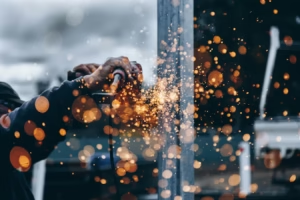
- Advanced CNC (Computer Numerical Control) machining allows aluminum profiles to be cut and joined at exact angles to form complex “diamond” or “honeycomb” patterns.
3. Optimization and Sustainability:
- Parametric tools allow engineers to “stress test” a design digitally, ensuring that the aluminum structure uses the minimum amount of material for maximum strength.
- This results in lighter buildings, reduced waste, and a significantly lower carbon footprint.
Conclusion: Parametric design is transforming our skylines into works of mathematical art. At Alumna, we embrace these computational tools to help architects turn their most ambitious, complex visions into reality using high-performance aluminum systems.